The Lasers for Science Facility

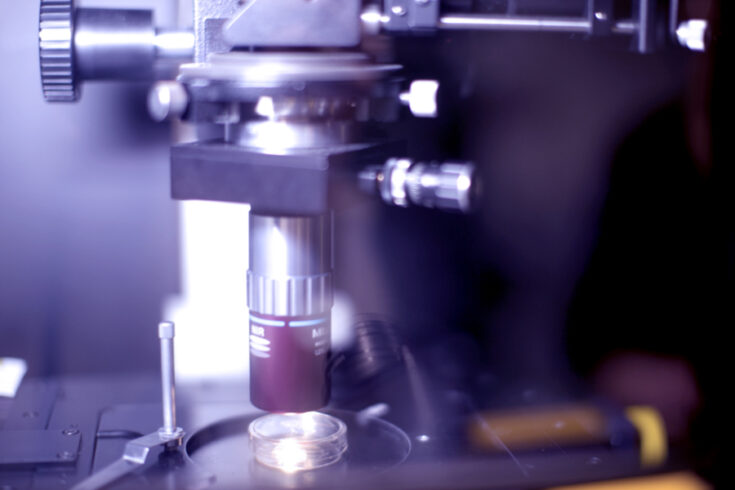
The Lasers for Science Facility (LSF) is part of the CLF and consists of Octopus (laser-based microscopy for bio-imaging), Ultra (ultrafast spectroscopy) and Artemis (imaging and spectroscopy with extreme ultraviolet light).

A one-of-a-kind facility

The LSF is an open-access national user facility and operates a “free-at-point-of-use” access model, with access awarded through independent peer review. It is internationally recognised and offers unique or bespoke capabilities that are unavailable elsewhere in the UK, Europe, and in some instances globally.

User access

  • delivers 186 weeks of peer-reviewed access in approx. 60 experiments each year
  • 1.7 times over-subscribed at access calls
  • 318 departments of 156 institutions (76 in UK) have accessed the LSF in past decade
  • all Russell Group universities except LSE have used the LSF
  • publications include collaborations with 178 organisations, including 67 UK organisations and 111 international partners

Outputs

  • produces around 50 scientific publications each year
  • approx 30% of publications produced over the last five years have appeared in journals with a Citation Impact Factor of 7 or above

These high impact journals include:

  • Physical Review Letters
  • Science Advances
  • Journal of the American Chemical Society
  • Nano Letters
  • Nature Communications
  • PNAS
  • Chemical Science
  • Nature Neuroscience

Support for funded research

  • over the last 5 years, LSF has supported researchers who have been awarded over 80 UKRI grants totalling more than £110M in value
  • 60% ​of facility access supported UKRI grant-funded research
  • 14% of access has non-UK funding, including the ​European Commission, BMBF, CNRS, CNR, NSF and NIST

Percentages of LSF access by principal investigator grant sponsor (2020-2026)
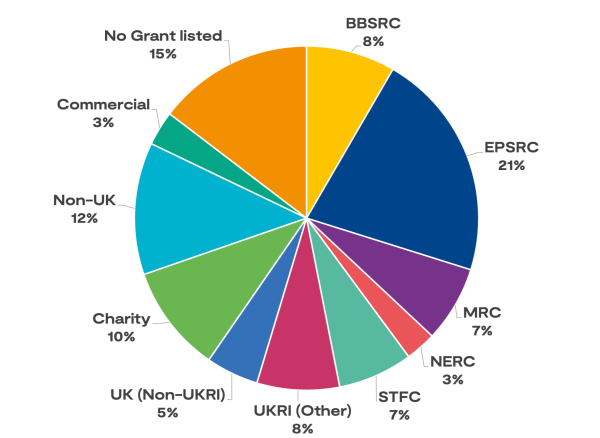
Pie chart shows the percentage of LSF access by Principal Investigator grant sponsor from 2020 to 2026: EPSRC 21%, no grant listed15%, non-UK 12%, charity 10%, UKRI 8%, BBSRC 8%, STFC 7%, MRC 7%, UK (non UKRI) 5%, NERC 3%, commerical 3%

Income and investment

  • £4.2M annual operating budget (including staff costs)
  • total installed Capital value of approx. £35M. UKRI, STFC, EPSRC, BBSRC funded
    received £17.2M from the UKRI infrastructure fund for the HiLUX upgrade over 2023-2028
  • funding from CRUK, The Guy Foundation, Wellcome Trust

Research areas

The research areas below have been categorised under some of the key sectors mentioned in the HM government's modern industrial strategy. However, much of our research fits into multiple categories.

Biology, biomedicine and health

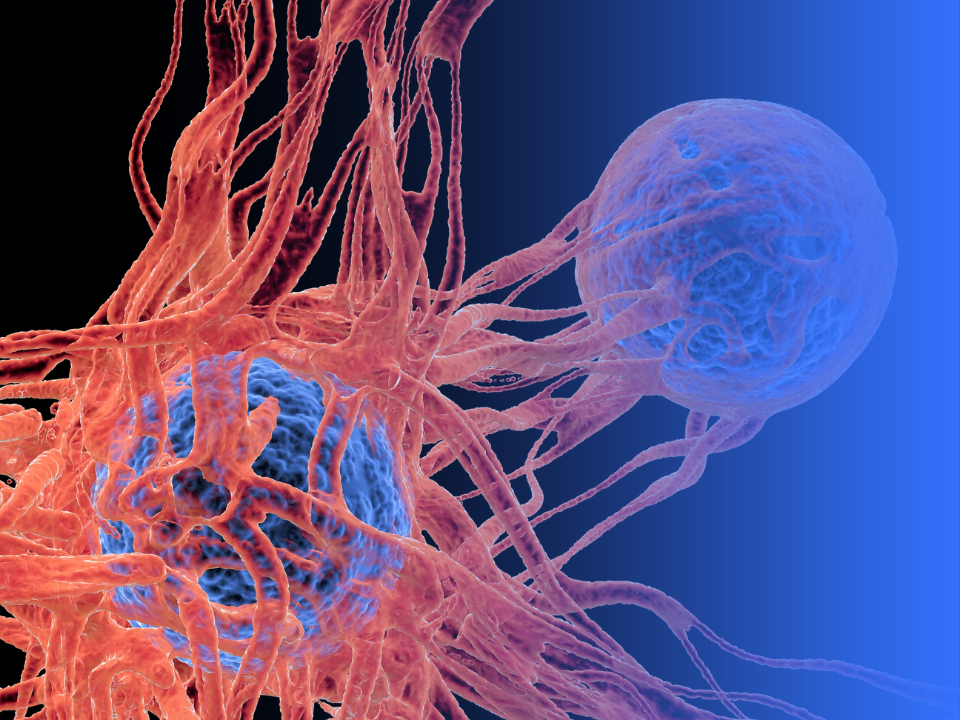
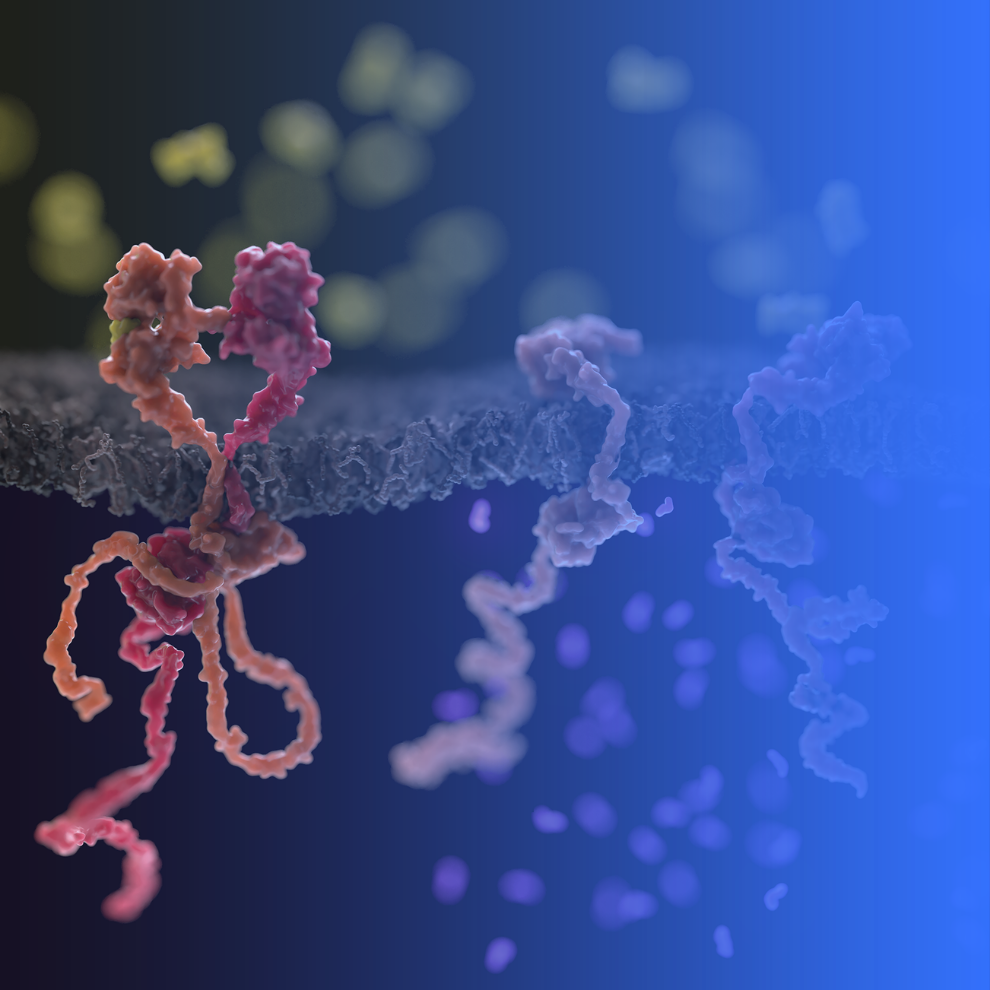
  • cellular and molecular biology (cancer, kidney disease, immune signalling)
  • mechanistic understanding of health and disease

Biophotonics and photomedicine

  • light-matter interactions in biological systems
  • physics-driven approaches to biology and medicine

Industry and innovation

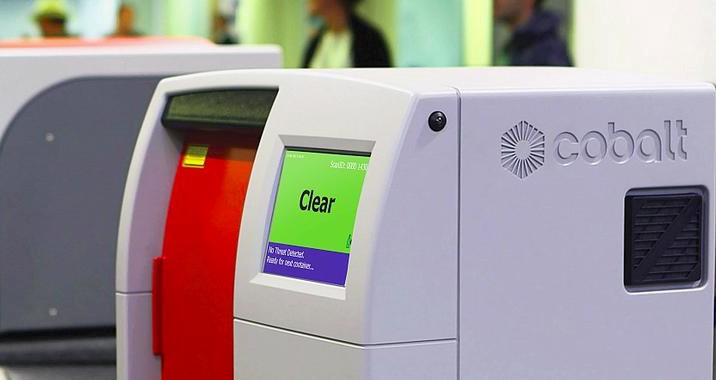
  • The LSF is the home of Cobalt, STFC’s most successful spinout, which was acquired by Agilent and played a significant role in attracting Agilent to the Harwell Campus
  • The technique behind Cobalt continues to be used in innovative academic and industrial research, including in medicine, cultural heritage, art, defence and security
  • 3% commercial access​

(Image credit: Agilent Technologies)

International links

  • 111 international partners spanning 32 countries across six continents
  • funded access for EU and international users provided through Horizon Europe’s Laserlab-Europe and Lasers4EU programmes
  • collaborations with other international facilities including EuXFEL, LCLS, MAX IV, SACLA, ELI-Alps and ELI Beamlines

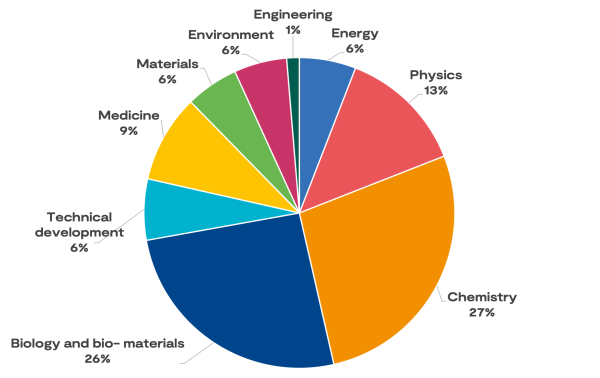
Pie chart shows Percentages of LSF access by research discipline from 2020 to 2026. The percentages are as follows: chemistry is 27%, Biology and Bio-materials is 26%, physics is 13%, medicine is 9%, technical development is 6%, materials is 6%, environment is 6%, energy is 6%, and engineering is 1%

Case studies